

Sustainability & Conservation
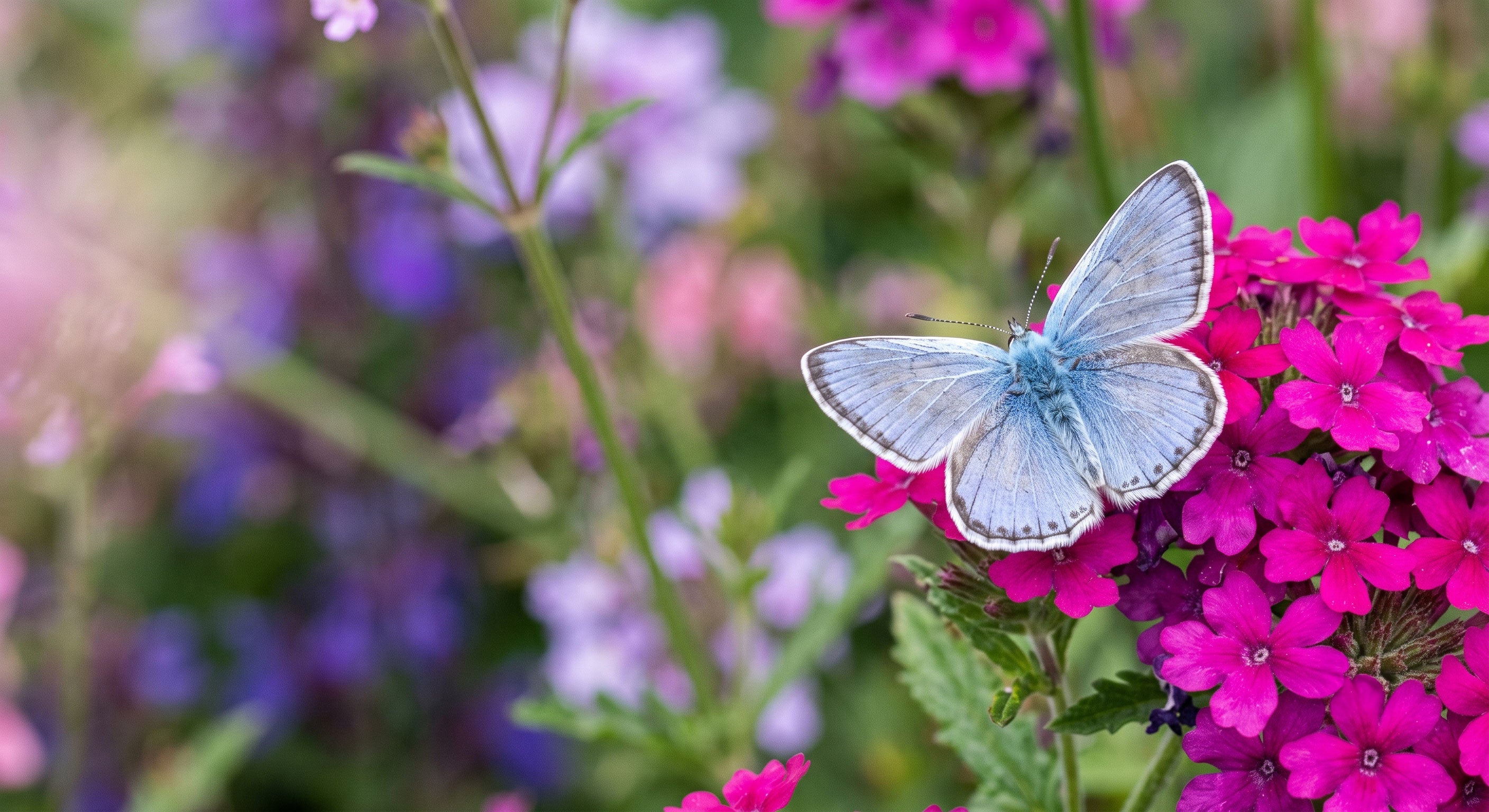
SOURCED WITH INTENTION
How the Conservation Economy Works
Every pendant we make is connected to a living ecosystem. The story behind each wing begins in a rainforest — and it starts with the people who choose to protect it.
Why Rainforests Need an Economy
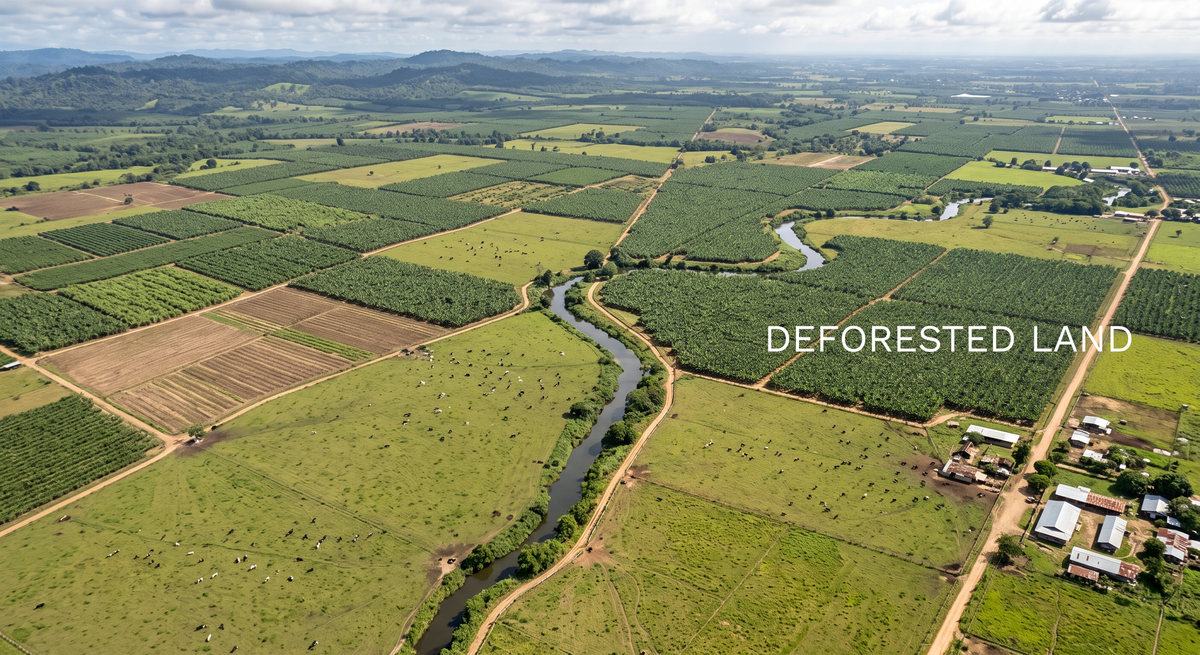
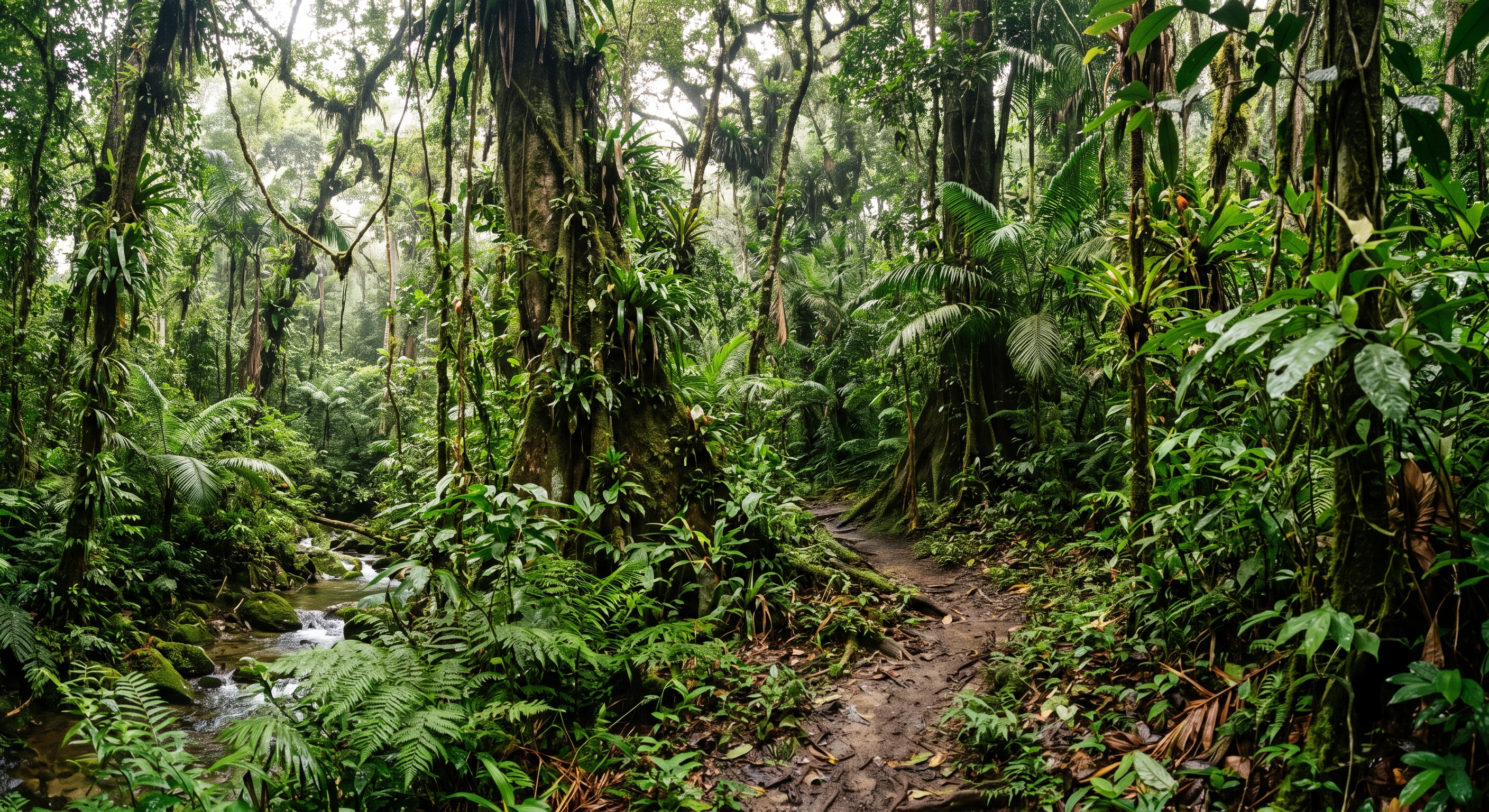
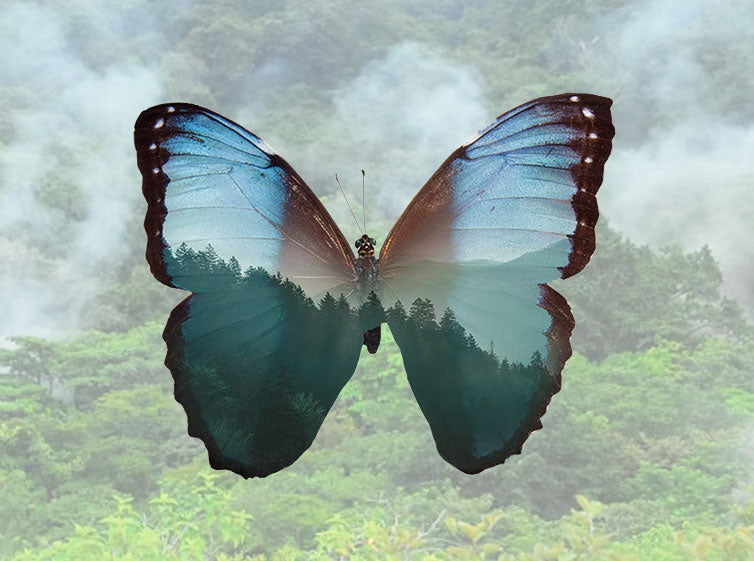
Butterflies depend on the native host plants and rich ecosystems found in healthy rainforests to survive. But these forests are under constant pressure to be cleared for cattle pasture, palm oil, bananas and other monoculture crops.
Protecting them requires that the people who live alongside them can earn a better living from a living forest than from a cleared one. Butterfly farming makes that possible — creating income from biodiversity and giving local communities an economic reason to keep the forest standing.
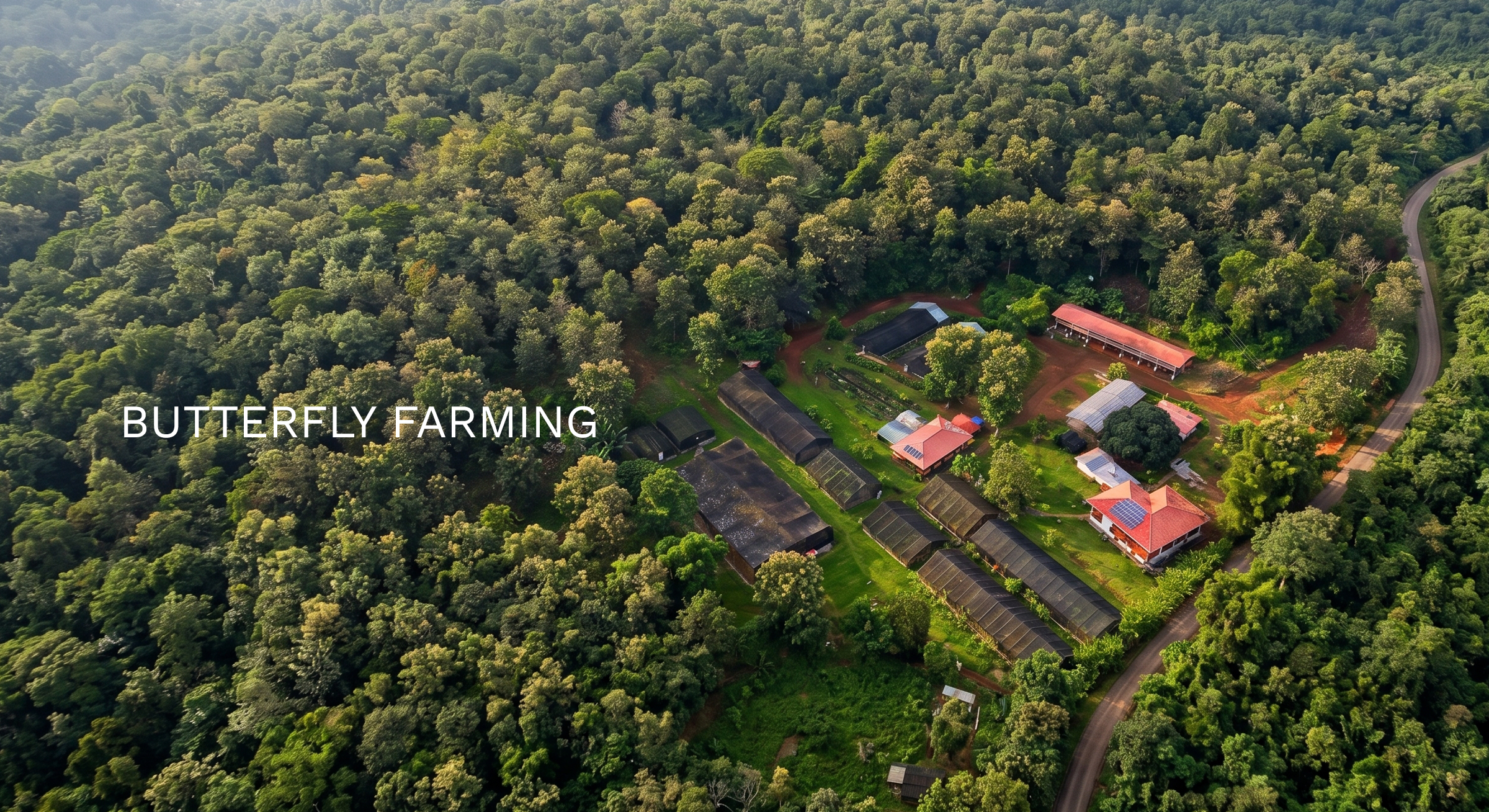
MOVE THE SLIDER >
Where Our Wings Come From
Since launching in 2011, we have sourced our wings through conservation-based butterfly-farming programmes in 22 countries, including Papua New Guinea, Indonesia, Peru and Madagascar. We choose partners whose work supports native butterfly populations, protects rainforest habitats and provides sustainable income for the communities who care for them.
El Bosque Nuevo in Costa Rica is a powerful example. Since starting in 1995 with 50 hectares of farmland, the initiative has grown to encompass 430 hectares — with 40 hectares actively reforested along the way. It now works with over 80 local farming families, giving them an economic reason to protect the rainforest rather than clear it for cattle pasture.
All specimens are legally exported in accordance with the wildlife-trade regulations of their country of origin and imported into South Africa under the required permits.
Each pendant is accompanied by a certificate detailing the butterfly species and country of origin, because the story behind each wing matters as much as the wing itself.
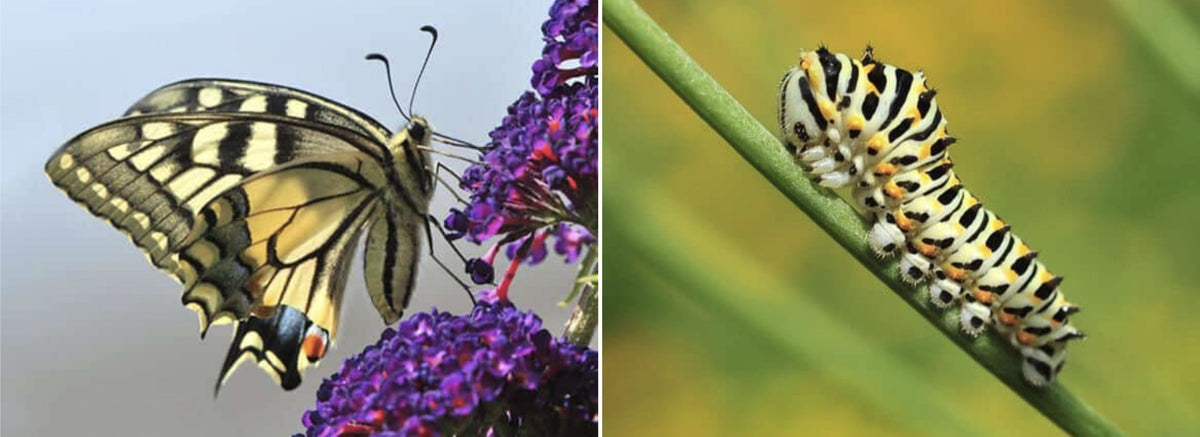
How Butterfly Programmes Are Typically Run
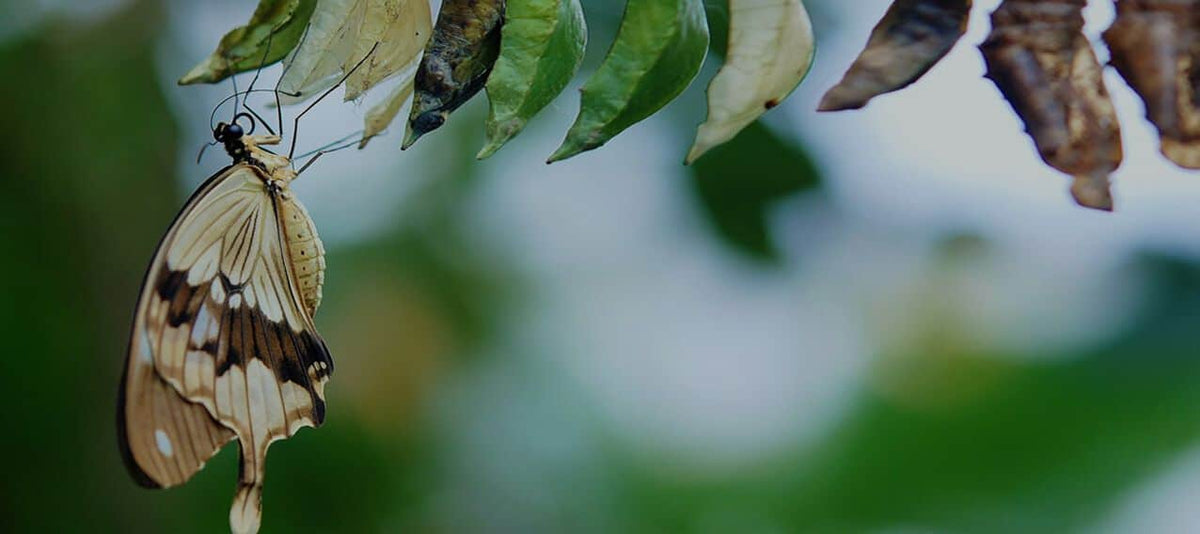
The story behind every pendant begins long before it reaches us. Butterfly farming is a conservation model that turns intact rainforest into a living, sustainable resource — and the people who make it work are farmers, not factories.
These three films offer a rare glimpse into how these programmes operate across different countries and ecosystems. We think they're worth watching.
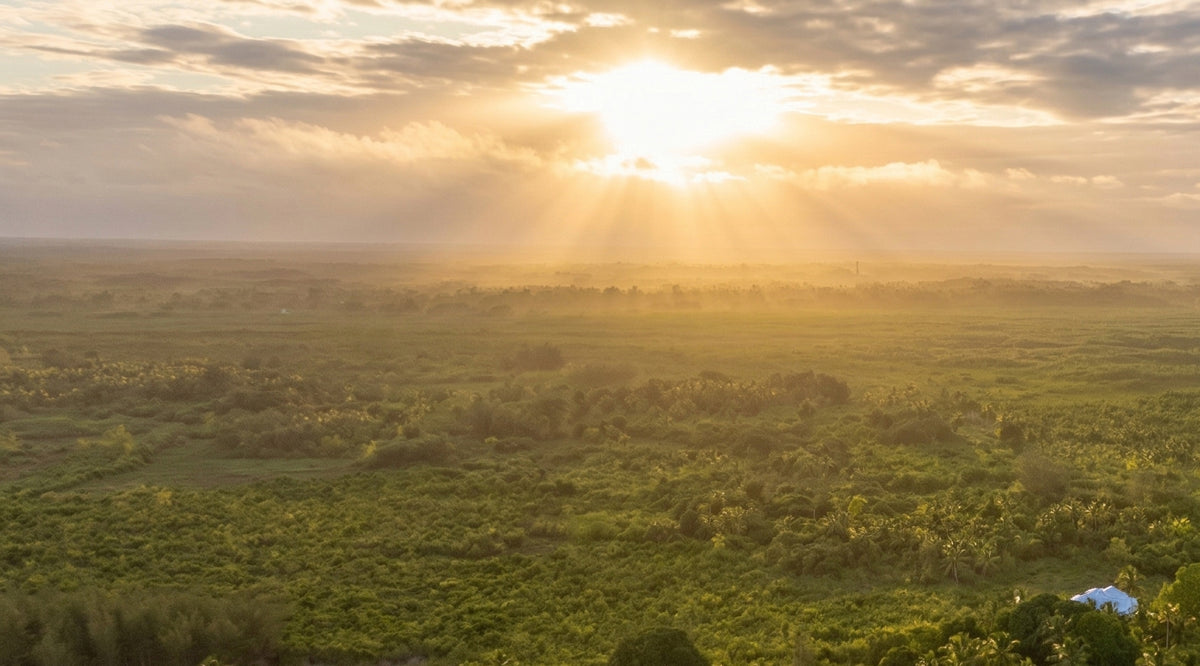
The 'Butterfly Farmers' Saving Zanzibar's Forests
In Zanzibar, a new kind of farming is helping protect one of East Africa's most biodiverse rainforests. By raising butterflies instead of cutting trees, local communities are creating sustainable livelihoods — and the forest is worth more alive than cleared.
Watch the film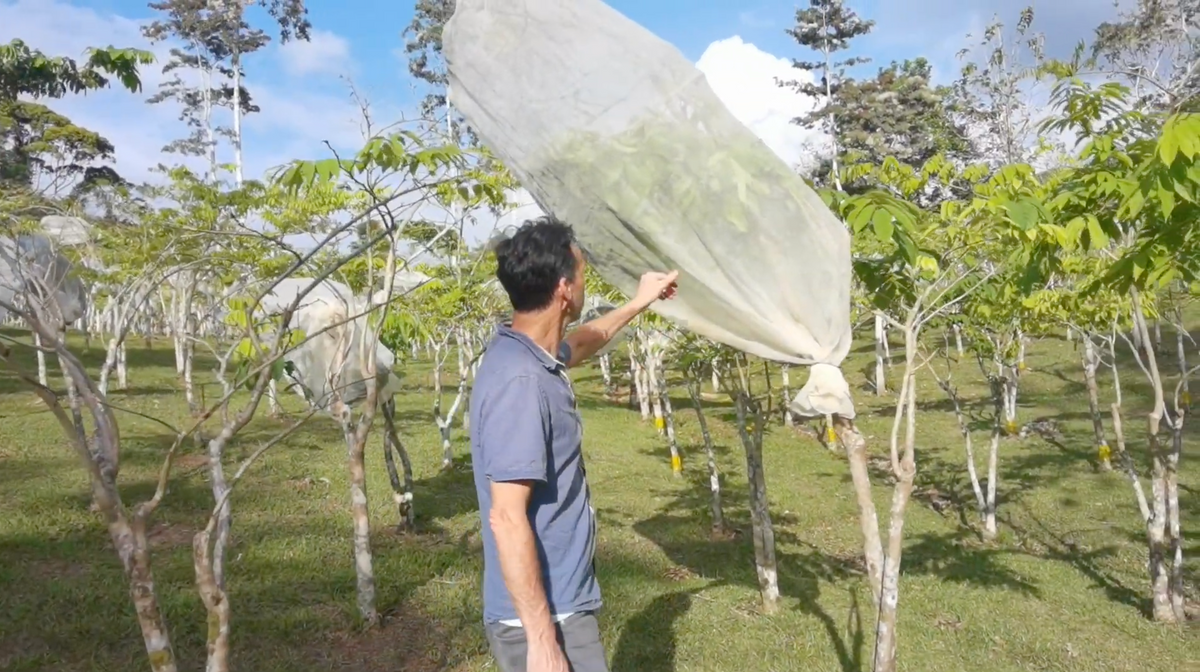
El Bosque Nuevo — A Butterfly Farm Built for Reforestation
El Bosque Nuevo in Costa Rica was established with a specific mission: use the profits from butterfly farming to directly finance reforestation. It's one of the clearest examples of how the conservation economy works in practice — where every butterfly sold funds the replanting of the forest it came from.
Watch the film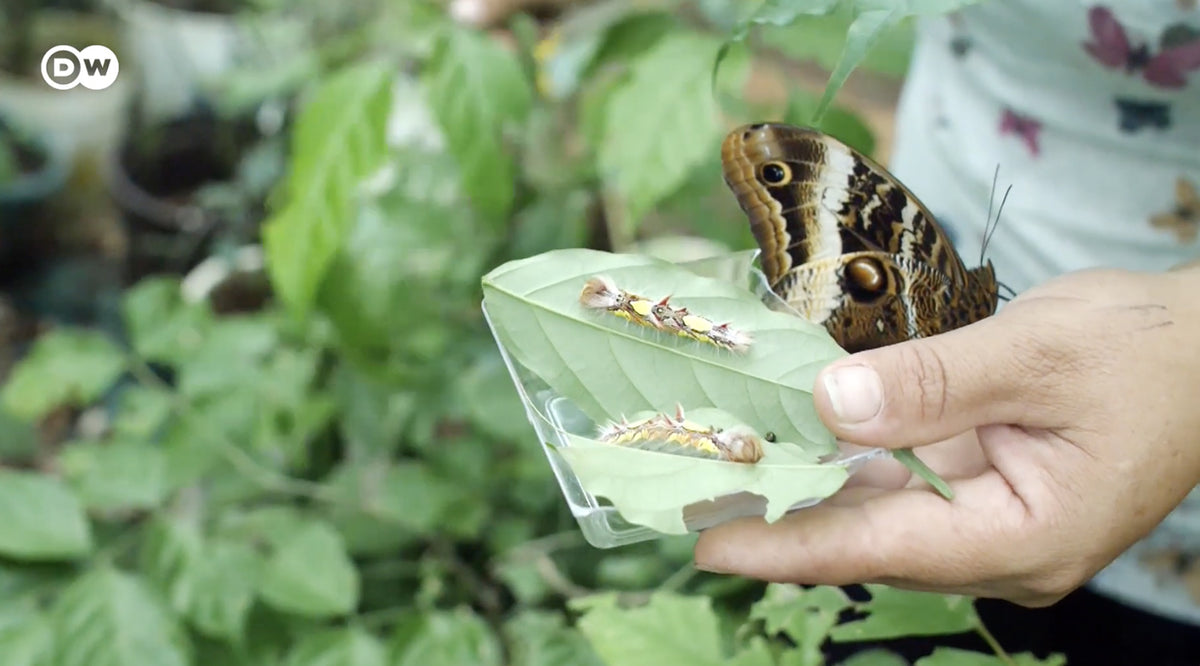
Costa Rica: Breeding Butterflies for the World
Costa Rica breeds butterfly species for sale to botanic gardens and butterfly sanctuaries worldwide. It's a model that provides reliable income, supports conservation education, and shows what's possible when local knowledge and biodiversity work together.
Watch the film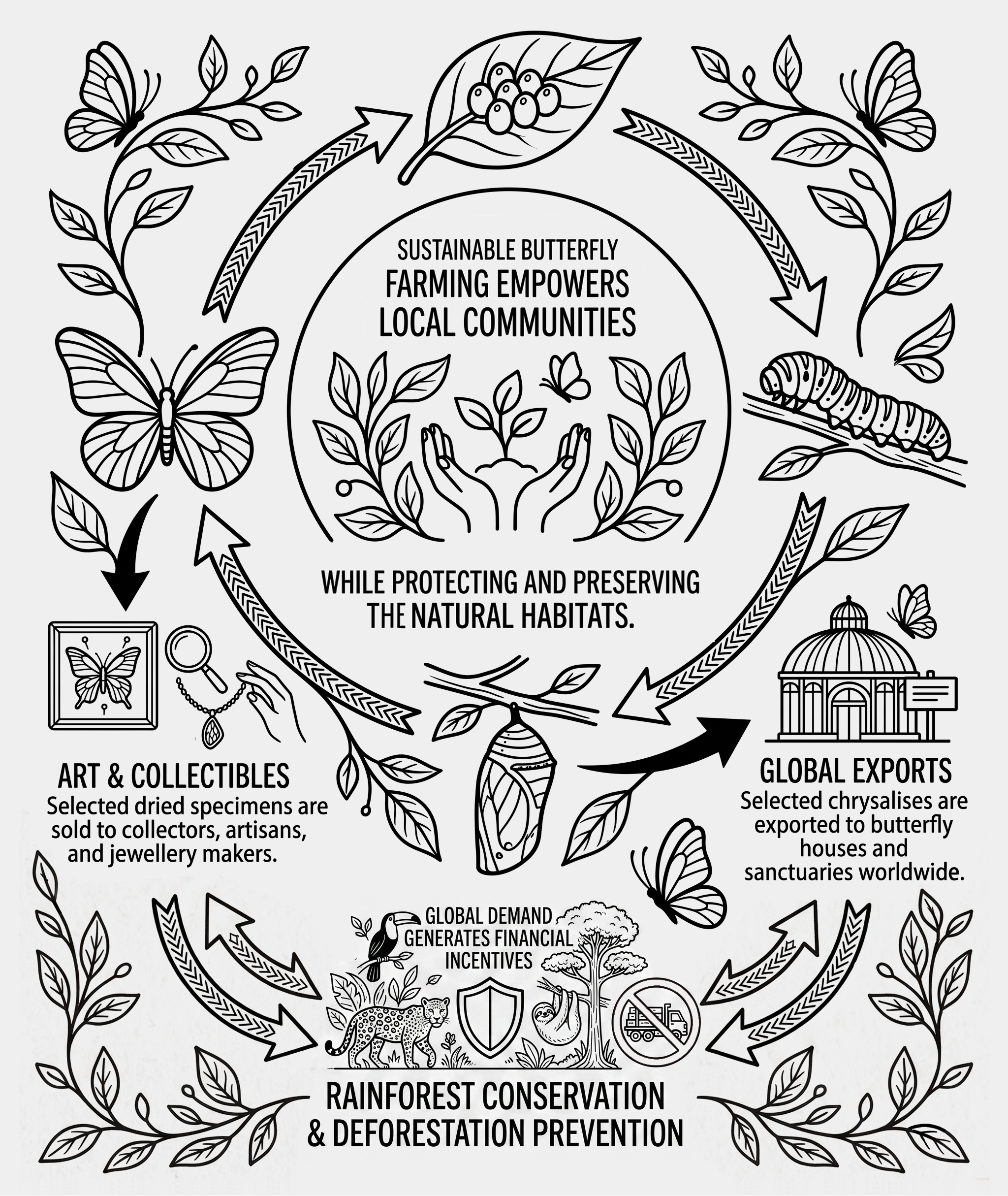
THE FULL PICTURE
Here is how the sustainable butterfly farming cycle actually works:
Community-Led Conservation: Small-scale farms across Southeast Asia, Africa, and South America cultivate native host plants, creating protected environments where butterfly populations thrive.
Dual Markets: Farms are financially sustained by two streams. Live pupae are supplied weekly to global butterfly houses, while dried specimens are sold for collections and jewellery.
Funding Preservation: Butterfly farming creates livelihoods that depend on healthy habitats, helping make intact ecosystems worth more preserved than cleared. Some farms export live pupae, others supply preserved specimens, and some do both. Where both markets operate, specimen sales can provide valuable income when demand for live pupae falls.
Responsible Practices: Wings from butterflies that die naturally are too worn or damaged to preserve, so those raised for the dried specimen market are humanely euthanized at peak condition, following regulated, industry-standard methods. We're happy to answer further questions directly.
In the end we will conserve only what we love, we will love only what we understand, and we will understand only what we are taught.
— Baba Dioum, conservationist, 1968
Want to go further?
There are several ways to support the conservation programmes behind our collection directly.
Support El Bosque Nuevo
This Costa Rican butterfly farm destines 100% of its profits to acquiring and protecting rainforest. They welcome conversations about how you can be part of their conservation effort.
Get in touch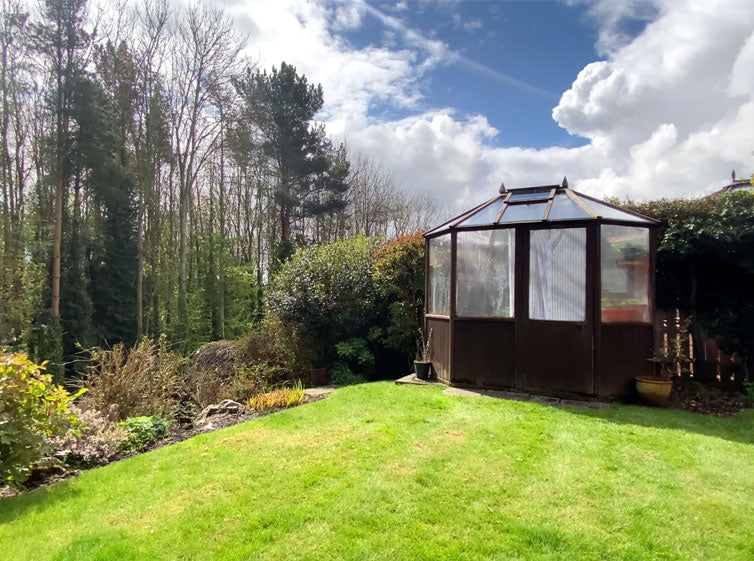
Start your own butterfly house
Butterfly houses around the world are the primary market that makes farming programmes financially viable. If you have the space and the passion, starting one is one of the most direct ways to support these communities. This guide is a good place to start.
Watch the guide
Purchase a Papillon Belle pendant
Every piece we make supports the same farming economy. When you wear one, you carry a small piece of that rainforest with you.
Shop now
FREE SHIPPING
On South African orders
over R1,000.

Handmade in Cape Town
All our jewellery is meticulously handcrafted individually by skilled South African artisans since 2011.

WEAR NOW, PAY LATER
We offer 3 interest-free instalments with PayJustNow.

Ethically Sourced
Our wings come from conservation-based farming initiatives that protect natural habitats. Learn More.